By Dr. Pamela Frank, BSc(Hons), ND – Published July 2026
What to eat when you are trying to conceive is one of the most researched and most modifiable factors in reproductive health. It is also one of the most poorly communicated – buried under generic “eat healthy” advice that tells you nothing specific, or drowned out by social media trends that have no evidence base at all.
This post covers what the research actually shows about diet and fertility, why the mechanisms matter more than the food lists, how to eat differently depending on your specific diagnosis, and what the most important foods to prioritize and avoid actually are – for both women and men.
It is not a calorie restriction plan. It is not a detox. It is a practical, evidence-based framework for feeding your reproductive system what it needs.
What to Eat and How It Affects Fertility: The Mechanisms That Matter
Before the food lists, the biology – because understanding why a food helps or harms makes it easier to apply the principles consistently rather than following rules you don’t understand.
Insulin and ovulation
Insulin is the most underappreciated driver of female infertility. When blood sugar is chronically elevated from a high-glycemic-index or high-glycemic-load diet, the pancreas secretes more insulin to manage it. Elevated insulin levels drive the ovaries to produce more androgens (testosterone and androstenedione), disrupting the normal GnRH pulsatility that governs ovulation. It also suppresses SHBG, increasing the proportion of free, biologically active androgens circulating in the blood. The result is anovulatory cycles, irregular periods, and the hormonal picture of PCOS – whether or not a formal PCOS diagnosis has been made. This mechanism is present in lean women and in women without PCOS. It is directly addressed by reducing dietary glycemic load.1
Oxidative stress and egg quality
Oocytes contain more mitochondria than virtually any other cell in the body – approximately 100,000–200,000 per egg – because the processes of meiosis, fertilization, and early embryo development are extraordinarily energy-intensive. Reactive oxygen species (ROS) generated as byproducts of normal metabolism damage mitochondrial DNA, impair spindle assembly, and cause chromosomal segregation errors in eggs. Dietary antioxidants – vitamins C and E, selenium, zinc, beta-carotene, polyphenols – reduce this oxidative burden in follicular fluid and protect the developing oocyte.2
Inflammation and endometrial receptivity
Chronic low-grade systemic inflammation – driven by ultra-processed food, refined seed oils, excess sugar, and visceral adipose tissue – produces elevated pro-inflammatory cytokines (IL-6, TNF-α, CRP) that disrupt the tightly regulated immune environment required for implantation. The endometrium needs a very specific immunological state to allow an embryo to invade – not too inflammatory, not immunologically suppressed. A pro-inflammatory dietary pattern tips this balance in the wrong direction.3
Prostaglandins and uterine function
The ratio of omega-6 to omega-3 fatty acids in the diet directly determines which prostaglandins are synthesized in the uterus. A high omega-6, low omega-3 diet – the standard North American pattern – shifts prostaglandin production toward vasoconstrictive, pro-inflammatory prostaglandins (thromboxane A2, PGF2α) and away from vasodilatory, anti-inflammatory prostaglandins (PGI2, PGE1). This matters for uterine blood flow, endometrial thickness, and menstrual pain – all of which affect fertility.
Methylation and DNA synthesis
Every cell division requires adequate folate, B12, and B6 for DNA synthesis and methylation. Oocyte maturation involves rapid cell division; early embryo development involves even more. Methylation supports normal gene expression patterning in the developing embryo – a process that is sensitive to maternal nutritional status before and at the time of conception, not just after a positive pregnancy test.4
Sperm production and DNA integrity
The entire cycle of sperm production takes approximately 72–74 days. The nutritional environment during that period directly influences sperm count, motility, morphology, and – critically – the structural integrity of the DNA inside each sperm cell. Dietary antioxidants reduce sperm DNA fragmentation; dietary patterns high in processed meat, trans fats, and refined carbohydrates increase it.5
What the Research Shows About What to Eat
Rather than studying individual foods in isolation, the most informative fertility nutrition research looks at overall dietary patterns – because that is how people actually eat.
The Nurses’ Health Study II
This is one of the largest and most rigorous studies of what to eat for fertility ever conducted – identified a “fertility diet” pattern characterized by: higher intake of monounsaturated fats over trans fats, plant protein over animal protein, low-glycemic index, low-glycemic load carbohydrates, high-fat dairy over low-fat dairy, iron from plant sources and supplements, and multivitamin use. Women with the highest adherence to this pattern had a 66% lower risk of ovulatory infertility compared to women with the lowest adherence.1
The Mediterranean diet
The Mediterranean diet is the most extensively studied dietary pattern for what to eat in reproductive medicine. A 2023 systematic review and meta-analysis found that higher adherence to a Mediterranean diet was associated with nearly double the live birth and pregnancy rates in assisted reproduction (OR 1.91; 95% CI 1.14–3.19).6 A separate 2022 meta-analysis across more than 13,000 women found Mediterranean diet adherence associated with improved sperm concentration and count in men, and a trend toward better pregnancy outcomes in women.7 The Mediterranean diet also substantially reduced gestational diabetes risk, pre-eclampsia risk, and preterm delivery risk in a 2023 meta-analysis of RCTs and cohort studies.8
The Mediterranean diet is not a single rigid prescription of what to eat – it is a pattern: high in vegetables, fruits, legumes, olive oil, nuts, seeds, and fish; moderate in dairy and poultry; low in red and processed meat, refined carbohydrates, and added sugar. Its benefits for fertility are mediated through its anti-inflammatory, antioxidant, and insulin-sensitizing effects – the same mechanisms described above.
Western dietary pattern
The Standard American Diet (SAD) – high in refined grains, added sugar, processed meat, saturated fat, and low in vegetables and fish – is consistently associated with poorer fertility outcomes in both women and men across multiple studies. In men, higher adherence to a Western dietary pattern is associated with lower sperm count, poorer motility, and higher sperm DNA fragmentation.5 In women, it is associated with anovulatory infertility and a longer time to conception.
The Most Important Foods to Prioritize for Fertility: What to Eat
Full-Fat Dairy
This is the finding from the Nurses’ Health Study that surprises most people: full-fat dairy was associated with reduced risk of ovulatory infertility, while low-fat dairy was associated with increased risk.1 The proposed mechanism involves insulin-like growth factor 1 (IGF-1) and sex hormone-binding globulin – low-fat dairy processing alters the hormonal signalling properties of milk in ways that appear to be reproductively unfavourable. Practically: full-fat yogurt, full-fat milk, whole milk cheese. This is not a license for unlimited dairy consumption – it is a specific, counterintuitive finding about fat content that is consistent across multiple analyses of the NHS data.
If your body doesn’t tolerate dairy products, that is, you get bloated, constipated, loose stool or diarrhea, nasal congestion, headaches, or brain fog from dairy products, it is best to avoid them. If it is generating inflammation like this, it will be counterproductive for fertility.
Oily Fish Low in Mercury
Salmon, sardines, mackerel, trout, herring, and anchovies provide EPA and DHA – the omega-3 fatty acids that shift prostaglandin synthesis toward anti-inflammatory, vasodilatory pathways, support endometrial development, and are essential for fetal neurological development from the earliest stages. The 2023 systematic review data showing Mediterranean diet benefits for ART outcomes were driven substantially by seafood intake.
A minimum of two servings per week of low-mercury oily fish is the evidence-based target for what to eat. Sardines and salmon are the most practical choices for most people and have the lowest mercury burden among high-omega-3 options.
Fish to limit or avoid due to high mercury content: swordfish, shark, king mackerel, orange roughy, bigeye tuna, and tilefish. Mercury is a reproductive toxin that accumulates in fetal tissue and impairs neurological development. Canned light tuna (not albacore) has lower mercury levels and can be consumed in moderation.
Leafy Greens and Cruciferous Vegetables
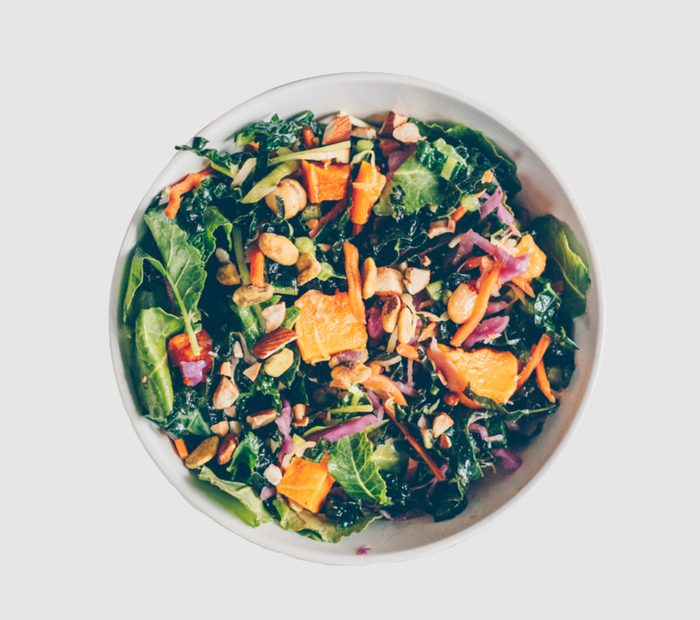
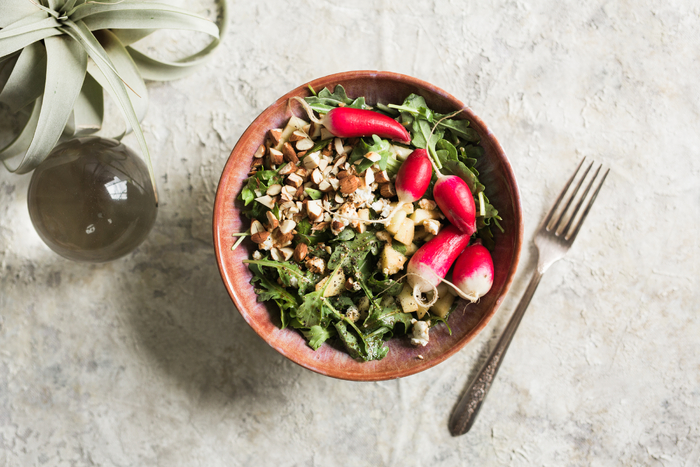
Spinach, kale, collard greens, arugula, Swiss chard, broccoli, cauliflower, Brussels sprouts, and cabbage provide: folate for DNA synthesis and methylation, vitamin C for antioxidant defence in follicular fluid, vitamin K for blood clotting relevant to placentation, magnesium for steroidogenesis, and indole-3-carbinol for hepatic estrogen metabolism. Dark leafy greens should appear in the diet daily, not occasionally. A large salad, a substantial side of cooked greens, or a smoothie with spinach are all practical vehicles to consume more leafy greens.
Legumes
Lentils, black beans, kidney beans, and edamame provide plant-based protein, iron (particularly important for women – ferritin below 30 mcg/L can disrupt ovulation even with normal hemoglobin), folate, zinc, magnesium, and fibre. Fibre is directly relevant to fertility because it supports hepatic estrogen clearance – the liver conjugates estrogen metabolites, and fibre in the intestine binds them for excretion. A low-fibre diet allows estrogen metabolites to be reabsorbed, contributing to estrogen excess.
Legumes also have a low glycemic index, making them one of the best carbohydrate sources for women with insulin resistance or PCOS.
Nuts and Seeds
Walnuts are uniquely valuable in what to eat for fertility: they are the only tree nut with substantial alpha-linolenic acid (ALA, a plant omega-3), and they have the most consistent evidence in male fertility specifically – a daily walnut consumption RCT found significant improvements in sperm vitality, motility, and morphology compared to controls who avoided tree nuts.9
Brazil nuts provide selenium – approximately 70–90 mcg per nut – making two Brazil nuts per day a practical way to meet selenium requirements without supplementation. Selenium is a cofactor for glutathione peroxidase, the primary antioxidant enzyme in follicular fluid, and is required for normal thyroid hormone conversion (relevant given the high prevalence of thyroid autoimmunity in infertile women).
Pumpkin seeds are among the richest dietary sources of zinc – essential for testosterone synthesis, sperm production, oocyte maturation, and DNA repair in both partners.
Flaxseeds (ground, for bioavailability) provide lignans – phytoestrogens that modulate estrogen receptor activity – and ALA. Relevant for women with estrogen excess or impaired estrogen metabolism.
Avocado
Avocados provide monounsaturated fat (the same fat associated with reduced ovulatory infertility risk in the Nurses’ Health Study), folate, potassium, vitamin E, and vitamin K. The fat content matters practically: fat-soluble vitamins and antioxidants (vitamins A, D, E, K, and carotenoids) require dietary fat for absorption. Eating a salad with fat-free dressing substantially reduces absorption of these nutrients from the vegetables. Avocado and olive oil-based dressings are what to eat to solve this.
Eggs
Eggs are nutritionally an exceptional example of what to eat for preconception: they provide choline (essential for fetal neural tube development and brain formation – often inadequately provided by prenatal vitamins), vitamin D, B12, selenium, zinc, and high-quality complete protein. The choline content is entirely in the yolk; consuming egg white without yolks provides essentially no choline. Choline requirements increase substantially in pregnancy, and dietary sources are the primary means of meeting them.
Colourful Vegetables and Berries
Beta-carotene (found in leafy greens, orange, yellow, and red vegetables – carrots, bell peppers, butternut squash) is a precursor to vitamin A, required for follicular development and endometrial cell proliferation. It is also a potent antioxidant in lipid-rich environments – directly relevant to oocyte cell membrane protection.
Berries – blueberries, raspberries, strawberries, blackberries – provide anthocyanins and vitamin C. Anthocyanins have demonstrated anti-inflammatory effects at the vascular level and are among the most potent dietary antioxidants available. Aim for half a cup daily, fresh or frozen (freezing preserves antioxidant content well).
Olive Oil
Extra-virgin olive oil is the primary fat in a Mediterranean dietary pattern and provides oleocanthal (anti-inflammatory, with a mechanism similar to ibuprofen at high intakes), oleic acid (a monounsaturated fat associated with reduced ovulatory infertility), and vitamin E. Use it as your primary cooking fat and dressing base.
Foods to Limit or Avoid
High-Glycemic Index and High-Glycemic Load Carbohydrates and Added Sugar
Bread, rice, pasta, pastries, cookies, crackers, breakfast cereals, sugary beverages, and concentrated fruit juice all produce rapid spikes in glucose and insulin that drive androgen production, suppress SHBG, disrupt GnRH pulsatility, and impair follicular development through the insulin mechanism described above. This is not a recommendation to avoid all carbohydrates – it is a recommendation to replace high-glycemic index and high-glycemic load carbohydrates with low-glycemic alternatives: legumes and non-starchy vegetables.
Sugar-sweetened beverages in particular are associated with reduced fertility in both women and men in prospective cohort studies – even one serving per day produced measurable effects in some analyses.10
Trans Fats
Partially hydrogenated vegetable oils – the primary source of trans fats – are directly associated with ovulatory infertility in the Nurses’ Health Study. Even small amounts (2% of daily caloric intake, replacing other fats) were significantly associated with increased ovulatory infertility risk.1 Trans fats appear in commercially baked goods, fried fast food, some margarines, and packaged snack foods. Check ingredient lists for “partially hydrogenated oil.”
Processed and Deli Meats
High intake of processed meat – bacon, deli meats, sausage, hot dogs – is consistently associated with poorer sperm parameters in men and is a feature of the Western dietary pattern associated with reduced fertility in women. Nitrates, advanced glycation end products (AGEs) from high-heat processing, and saturated fat are the proposed mechanisms. This is a category to substantially reduce rather than eliminate entirely – the negative associations are with high intake.
Alcohol
Alcohol impairs hepatic estrogen clearance, disrupts GnRH pulsatility, reduces luteal phase progesterone, and is directly toxic to developing sperm. In men, alcohol intake above moderate levels is associated with reduced testosterone, lower sperm count, and impaired morphology. In women, alcohol consumption reduces the probability of conception per cycle even at low-to-moderate levels in some studies.11
The evidence does not support a completely “safe” level of alcohol during the preconception period for women actively trying to conceive. The practical recommendation is to minimize it significantly – this does not require perfect abstinence for most people, but two glasses of wine per evening is a meaningful reproductive obstacle.
High-Mercury Fish
As above – swordfish, shark, king mackerel, orange roughy, bigeye tuna. Mercury is a reproductive toxin. Replace with low-mercury oily fish that provide the same omega-3 benefits without the toxin burden.
Ultra-Processed Foods Generally
Ultra-processed foods – defined as industrially manufactured products containing ingredients not typically found in home cooking: emulsifiers, artificial flavours, modified starches, preservatives – are consistently associated with poorer diet quality markers relevant to fertility (lower folate, lower zinc, lower antioxidant intake, higher glycemic load, higher trans fat intake). They are the dietary context in which most of the above specific problems occur. Reducing ultra-processed food intake is the single most impactful structural dietary change most people can make.
Diet by Diagnosis: What to Eat for Your Specific Situation
The above framework for what to eat applies broadly. These adjustments apply specifically:
What to Eat for PCOS:
The primary dietary target is insulin. Reducing glycemic load is more important than overall calorie intake. Specifically: eliminate sugar-sweetened beverages entirely, replace refined carbohydrates with low-GI/GL alternatives, increase fibre to 30–35g/day, prioritize protein at each meal (30-40 g/meal) to blunt postprandial insulin, and emphasize anti-inflammatory fats. Inositol supplementation (myo-inositol 2g + D-chiro-inositol 50mg twice daily) works synergistically with dietary change by addressing insulin signalling at the receptor level. See the PCOS page → for full details.
What to Eat for Endometriosis:
Anti-inflammatory emphasis is the priority. Omega-3 fatty acids (oily fish daily or supplemental EPA/DHA), curcumin from turmeric, elimination of red meat and trans fats, and reduction of alcohol intake all reduce prostaglandin-driven inflammation that drives endometriosis pain and fertility impairment. Some women with endometriosis have concurrent celiac disease – testing is warranted before assuming a gluten-free diet is necessary, but confirmed celiac requires strict elimination.
What to eat for diminished ovarian reserve or poor egg quality:
Antioxidant density is the priority. Maximize berries, leafy greens, colourful vegetables, olive oil, nuts, and oily fish. Minimize alcohol and processed food. Supplement CoQ10 (ubiquinol), melatonin, and vitamin E alongside the dietary framework – diet provides the foundation but cannot alone achieve the follicular antioxidant levels that targeted supplementation can. See the egg quality page → and CoQ10 post →.
What to eat for recurrent miscarriage:
Methylation support is a priority alongside the general anti-inflammatory pattern. Maximize leafy greens for dietary folate, eggs and meat for choline and B12, legumes for plant folate, and cruciferous vegetables for support of liver estrogen metabolism. Ensure the supplemental folate is 5-MTHF rather than folic acid, particularly if you have MTHFR variants. See the recurrent miscarriage page →.
What to eat for male factor infertility or elevated sperm DNA fragmentation:
The same anti-inflammatory, antioxidant-rich pattern for what to eat applies to both partners. Specific priorities for men: daily walnuts, Brazil nuts for selenium, pumpkin seeds for zinc, oily fish for DHA (which concentrates in the sperm flagellum and is essential for motility), and significant reduction of alcohol and processed meat. See the male infertility page →.
What to eat for thyroid autoimmunity:
Selenium is the most important specific nutrient – two Brazil nuts daily or 200 mcg supplemental selenomethionine. Confirmed celiac disease requires a strict gluten-free diet. Iodine from food sources (seaweed, dairy, fish) is appropriate; supplemental iodine above 150 mcg/day warrants caution in autoimmune thyroid disease and should be discussed before supplementing.
A Word on Supplements vs. Food
Diet and supplements are not interchangeable. Dietary antioxidants, fibre, phytonutrients, and food-matrix effects produce benefits that isolated supplements cannot replicate – and the evidence for what to eat predates and outperforms most individual supplement trials. At the same time, specific nutritional deficiencies – vitamin D in Ontario, ferritin in women, CoQ10 in women over 35, methylfolate in women with MTHFR variants – cannot be reliably corrected through diet alone at the doses required. The correct approach is both: a strong dietary foundation with targeted supplementation layered on top, based on measured levels, rather than generic prenatal multivitamins applied uniformly.
Practical Starting Points for What to Eat
If you are trying to make changes and don’t know what to eat, these five shifts produce the most impact per unit of effort:
1. Replace your breakfast carbohydrate. Toast, cereal, muffins, and granola bars are the primary sources of high-glycemic-index, high-glycemic-load refined carbohydrates for most people. What to eat instead: Replace with eggs (two to three whole eggs, any style), full-fat Greek yogurt with berries and walnuts, or a protein shake. This single change substantially reduces morning insulin spikes and improves satiety through the day.
2. Eat oily fish twice a week. Salmon, sardines, or mackerel as a main protein source twice weekly provides the omega-3 foundation the rest of the diet builds on. Canned sardines or salmon make this practical and inexpensive.
3. Add a large salad with olive oil and protein daily. Dark leafy greens plus colourful vegetables, dressed with extra-virgin olive oil and topped with a protein source (eggs, canned fish, legumes, grilled chicken), provide folate, antioxidants, support fat-soluble vitamin absorption, and iron in one meal.
4. Eliminate sugar-sweetened beverages entirely. This is the single highest-return dietary elimination in the fertility context – the data on sugar-sweetened beverages are among the most consistent in the dietary fertility literature, and the substitution (water, sparkling water, herbal tea) costs nothing.
5. Replace snack foods with nuts or fruit. Crackers, chips, cookies, and packaged bars are the primary sources of refined carbohydrates and trans fats between meals. A small handful of mixed nuts (walnuts, almonds, Brazil nuts) and a piece of fruit replace the glycemic spike with sustained energy, antioxidants, and zinc and selenium, which most people chronically underconsume.
Frequently Asked Questions About What to Eat for Fertility
Does diet really affect fertility that much?
Yes – more than most conventional fertility workups acknowledge. The Nurses’ Health Study found women with the highest adherence to a pro-fertility dietary pattern of what to eat had a 66% lower risk of ovulatory infertility compared to those with the lowest adherence. A 2023 meta-analysis found that adherence to the Mediterranean diet was associated with nearly a twofold increase in live-birth rate in IVF. These are large effects for a modifiable variable that costs nothing to change.
Do both partners need to change their diet?
Yes. The evidence for dietary effects on sperm parameters is as strong as the evidence for dietary effects on ovulation and egg quality. Sperm production takes approximately 74 days – dietary changes made now influence the sperm available in 2–3 months. Male partners are frequently left out of conversations about what to eat for fertility, which is a clinical oversight given that male factor contributes to infertility in approximately half of couples.
Is a gluten-free diet helpful for fertility?
Only if you have confirmed celiac disease or non-celiac gluten sensitivity. There is no evidence that gluten impairs fertility in women without these conditions. Testing for celiac disease (anti-tTG IgA and total IgA) is appropriate before assuming dietary gluten is a problem.
What about caffeine?
The evidence on caffeine and fertility is mixed. High caffeine intake (above 200–300 mg/day, roughly two to three cups of coffee) has been associated with increased miscarriage risk in some studies but not all. Current guidance from most reproductive medicine bodies suggests limiting caffeine to below 200 mg/day when trying to conceive. One cup of coffee daily is unlikely to represent a meaningful fertility obstacle for most women; three to four cups may be worth reducing.
Should I eat organic food?
Where pesticide exposure is a concern – and evidence does link high dietary pesticide exposure to poorer fertility outcomes in both women and men – prioritizing organic for the highest-pesticide produce is reasonable. The Environmental Working Group’s “Dirty Dozen” list identifies the produce categories with the highest levels of pesticide residue: strawberries, spinach, kale, peaches, pears, nectarines, apples, grapes, bell peppers, cherries, blueberries, and green beans. These are worth buying organic where possible. The “Clean Fifteen” categories of what to eat (avocado, corn, pineapple, onion, papaya, frozen sweet peas, asparagus, honeydew, kiwi, cabbage, mushrooms, mangoes, sweet potatoes, watermelon, carrots) have consistently low pesticide residue and do not require organic purchasing.
How long before trying to conceive should I change my diet?
Three months is the minimum meaningful preparation window – reflecting the full oocyte maturation cycle (approximately 90 days) and the sperm production cycle (72–74 days). The nutritional environment during that period directly influences the eggs and sperm involved in conception. Starting dietary changes earlier gives more runway; starting now, whenever “now” is, is always better than not addressing what to eat.
What to Eat for Fertility Research References
- Chavarro JE, Rich-Edwards JW, Rosner BA, Willett WC. Diet and lifestyle in the prevention of ovulatory disorder infertility. Obstet Gynecol. 2007 Nov;110(5):1050-8. doi: 10.1097/01.AOG.0000287293.25465.e1. PMID: 17978119.
- Agarwal A, Aponte-Mellado A, Premkumar BJ, Shaman A, Gupta S. The effects of oxidative stress on female reproduction: a review. Reprod Biol Endocrinol. 2012 Jun 29;10:49. doi: 10.1186/1477-7827-10-49. PMID: 22748101; PMCID: PMC3527168.
- Gaskins AJ, Chavarro JE. Diet and fertility: a review. Am J Obstet Gynecol. 2018 Apr;218(4):379-389. doi: 10.1016/j.ajog.2017.08.010. Epub 2017 Aug 24. PMID: 28844822; PMCID: PMC5826784.
- Steegers-Theunissen RP, Twigt J, Pestinger V, Sinclair KD. The periconceptional period, reproduction and long-term health of offspring: the importance of one-carbon metabolism. Hum Reprod Update. 2013 Nov-Dec;19(6):640-55. doi: 10.1093/humupd/dmt041. Epub 2013 Aug 19. PMID: 23959022.
- Salas-Huetos A, Bulló M, Salas-Salvadó J. Dietary patterns, foods and nutrients in male fertility parameters and fecundability: a systematic review of observational studies. Hum Reprod Update. 2017 Jul 1;23(4):371-389. doi: 10.1093/humupd/dmx006. PMID: 28333357.
- Winter HG, Rolnik DL, Mol BWJ, Torkel S, Alesi S, Mousa A, Habibi N, Silva TR, Oi Cheung T, Thien Tay C, Quinteros A, Grieger JA, Moran LJ. Can Dietary Patterns Impact Fertility Outcomes? A Systematic Review and Meta-Analysis. Nutrients. 2023 May 31;15(11):2589. doi: 10.3390/nu15112589. PMID: 37299551; PMCID: PMC10255613.
- Muffone ARMC, de Oliveira Lübke PDP, Rabito EI. Mediterranean diet and infertility: a systematic review with meta-analysis of cohort studies. Nutr Rev. 2023 Jun 9;81(7):775-789. doi: 10.1093/nutrit/nuac087. PMID: 36346903.
- Xu J, Wang H, Bian J, Xu M, Jiang N, Luo W, Zu P, Yin W, Zhu P. Association between the Maternal Mediterranean Diet and Perinatal Outcomes: A Systematic Review and Meta-Analysis. Adv Nutr. 2024 Feb;15(2):100159. doi: 10.1016/j.advnut.2023.100159. Epub 2023 Dec 1. PMID: 38042258; PMCID: PMC10801312.
- Robbins WA, Xun L, FitzGerald LZ, Esguerra S, Henning SM, Carpenter CL. Walnuts improve semen quality in men consuming a Western-style diet: randomized control dietary intervention trial. Biol Reprod. 2012 Oct 25;87(4):101. doi: 10.1095/biolreprod.112.101634. PMID: 22895856.
- Hatch EE, Wesselink AK, Hahn KA, Michiel JJ, Mikkelsen EM, Sorensen HT, Rothman KJ, Wise LA. Intake of Sugar-sweetened Beverages and Fecundability in a North American Preconception Cohort. Epidemiology. 2018 May;29(3):369-378. doi: 10.1097/EDE.0000000000000812. PMID: 29384791; PMCID: PMC5882510.
- Tolstrup JS, Kjaer SK, Holst C, Sharif H, Munk C, Osler M, Schmidt L, Andersen AM, Grønbaek M. Alcohol use as predictor for infertility in a representative population of Danish women. Acta Obstet Gynecol Scand. 2003 Aug;82(8):744-9. doi: 10.1034/j.1600-0412.2003.00164.x. PMID: 12848646.
