By Dr. Pamela Frank, BSc(Hons), ND – Published July 2026
Most people starting their first IVF cycle receive a stimulation protocol from their reproductive endocrinologist and very little guidance on what to do in the months before it begins. The stimulation protocol manages the pharmacological side of the cycle. What it doesn’t address is the biological quality of the eggs being stimulated, the receptivity of the endometrium receiving the embryo, the hormonal and metabolic environment surrounding the cycle, or the stress physiology of the person going through it.
That is the naturopathic preparation window – and how you use it matters.
This post lays out the general natural IVF prep protocol I use clinically with patients preparing for IVF, organized by timeline and phase. It is a framework, not a prescription – the specific supplements, doses, and priorities in any individual case depend on lab results, history, and what your stimulation protocol looks like. What is mentioned in this post may not be right for you. But the structure is consistent, and understanding it helps you use the preparation window intentionally rather than passively.
The Biological Rationale for Three Months of Natural IVF Prep
The three-month minimum natural IVF prep window is not arbitrary. It reflects two specific biological timelines:
Oocyte maturation: The egg that will be retrieved in your IVF cycle began its final maturation process approximately 90 days before retrieval. The follicle started as a primordial follicle in a pool of resting follicles and was recruited into the growing pool roughly three months before it reached the preovulatory stage. The nutritional and antioxidant environment of the follicular fluid during those 90 days directly influences mitochondrial function in the developing oocyte, meiotic spindle assembly competence, and the chromosomal integrity of the resulting egg.1
Interventions started the week before retrieval – or even the week stimulation begins – do not influence the egg being collected. They may influence eggs three months from now.
Sperm production: Spermatogenesis takes approximately 72–74 days from stem cell to mature sperm. A sperm DNA fragmentation test done today reflects the oxidative stress environment of 10–11 weeks ago. Natural IVF prep, like antioxidant therapy that begins today, will produce measurable improvement in sperm parameters on a repeat test in approximately three months – not sooner.
This is why starting early is worth it, and why repeating a cycle without a natural IVF prep window between them rarely produces a different outcome.
Before You Start: The Baseline Fertility Blood Work
The natural IVF preparation protocol is most effective when it is built around what your specific blood tests reveal rather than applied generically. The investigations I conduct or review before building a natural IVF prep protocol include:
Tests your fertility clinic has already done:
AMH, antral follicle count, day 3 LH, FSH and estradiol, semen analysis, uterine ultrasound. I review these results with reference to fertility-optimized thresholds rather than standard lab ranges.
What’s important to know for natural IVF prep that a standard workup typically misses:
Androgens
DHEAs, Total Testosterone, Free Testosterone, Dihydrotestosterone (DHT), and androstenedione. If they are too high, androgens suppress the function of the ovaries. Androgens are building blocks to drive estrogen production; too little results in poor ovarian response to stimulation.
7 Days Post-Ovulation Progesterone
This test is rarely done. An optimal peak progesterone (50-60 nmol/L) is one of the most critical hormones to get pregnant and maintain the pregnancy.
Cortisol:
Cortisol is a critical hormone. Either too much or too little is not optimal for fertility. It’s always best to test, rather than assume.
Full thyroid panel:
TSH, free T3, free T4, reverse T3, anti-TPO antibodies, anti-thyroglobulin antibodies. TSH above 2.5 mIU/L is associated with reduced implantation rates and increased miscarriage risk in IVF – the standard laboratory upper limit of 4.0–5.0 mIU/L is not the appropriate fertility target.2 This also applies to other hormone tests that you may have been told are “normal.” Anti-thyroid antibodies impair endometrial receptivity and increase miscarriage risk independently of TSH.
Fasting insulin and HOMA-IR:
Insulin resistance alters follicular fluid hormone ratios, impairs ovarian granulosa cell function, and disrupts endometrial immune regulation – independently of whether PCOS has been diagnosed.
If fasting insulin and HOMA-IR do not indicate insulin resistance, but insulin resistance is suspected, a more detailed and revealing test is a 75-g Oral Glucose Tolerance Test with both insulin and glucose measured fasting, at 1 hour, and at 2 hours after the glucose drink.
Vitamin D (25-OH):
Vitamin D receptors are present on granulosa cells, endometrial cells, and uterine NK cells. Deficiency is endemic in Ontario and independently associated with reduced ovarian response to stimulation and reduced implantation rates.3
Ferritin:
A ferritin level below 30 mcg/L with entirely normal hemoglobin is sufficient to impair oocyte quality and endometrial oxygen delivery.
Homocysteine:
Elevated homocysteine predicts implantation failure and miscarriage through effects on trophoblast function and identifies women who need 5-MTHF rather than (inactive) folic acid.
Sperm DNA fragmentation index (DFI):
Not offered routinely at most Ontario fertility clinics. Elevated DFI above 15–25% is associated with lower clinical pregnancy rates and higher miscarriage rates in IVF/ICSI, even with normal semen analysis.4 Naturopathic Doctors in Ontario cannot order this test.
Prolactin:
Subclinical hyperprolactinemia impairs luteal function and endometrial receptivity. It needs to be measured correctly. The blood sample should be drawn after 20 minutes of seated rest.
Anti-phospholipid antibodies:
Anti-phospholipid antibodies are relevant in women with prior failed transfers or pregnancy loss. Naturopathic Doctors in Ontario cannot order this test.
Once I have this picture, the preparation protocol is individualized. What follows is the general framework.
The Natural IVF Prep Protocol: Month by Month
MONTHS 1–3: Foundation Phase of Natural IVF Prep
This is the period with the greatest biological leverage. Everything done within this window directly influences the cohort of follicles to be stimulated.
WEEK 1–2: Begin Core Supplementation for Natural IVF Prep
Start these immediately – they are the non-negotiable foundation of the natural IVF prep protocol:
CoQ10 (ubiquinol, 400–600 mg/day with a fat-containing meal)
The single most evidence-supported nutritional intervention for oocyte mitochondrial function. CoQ10 is rate-limiting for ATP production in oocyte mitochondria – and mitochondrial insufficiency is the central mechanism of both age-related egg quality decline and poor IVF response in younger women with diminished ovarian reserve. The 2018 Xu et al. RCT found CoQ10 pretreatment significantly improved ovarian response, mature oocyte number, fertilization rate, and high-quality embryo rate in women with poor ovarian reserve.5 Use the ubiquinol form for women over 35 – it does not require enzymatic conversion and has superior bioavailability. Take with dinner or another fat-containing meal; because it needs fat for absorption, the absorption on an empty stomach is negligible.
Melatonin (1–3 mg at bedtime)
Follicular fluid melatonin is the primary antioxidant protecting the developing oocyte from reactive oxygen species during the high metabolic activity of folliculogenesis. Melatonin levels decline with age in both serum and follicular fluid, a pattern that correlates with the age-related decline in oocyte quality. RCT evidence demonstrates that oral melatonin supplementation in natural IVF prep significantly increases follicular fluid melatonin concentrations, improving fertilization rates and the proportion of high-quality embryos.6 Start at 1 mg and increase to 3 mg if sleep quality is good and there are no morning grogginess or nightmare issues. See the section below on cycle-phase adjustments for when to pause.
Prenatal multivitamin containing 5-MTHF (not folic acid) OR just L-5MTHF
Adequate folate intake before and at the time of conception is essential. Women with MTHFR polymorphisms (C677T, A1298C) cannot efficiently convert folic acid to its active form and need 5-methyltetrahydrofolate (5-MTHF) directly as part of their natural IVF prep. Even without confirmed MTHFR variants, 5-MTHF is better absorbed and more reliably utilized than folic acid. Check the label of any prenatal supplement you are taking – “folic acid” or “folate” is the inactive form; “methylfolate,” “5-MTHF,” or “Metafolin” are the active forms.
Vitamin D3 (dose based on measured 25-OH vitamin D)
Target a blood level of: 100–150 nmol/L. Most women in Ontario who are deficient require 3,000–5,000 IU/day to correct deficiency within three months; maintenance thereafter is typically 2,000–3,000 IU/day. Always take with a fat-containing meal – vitamin D is fat-soluble. Retest at 8–10 weeks to confirm the level is trending toward target before your cycle begins. When vitamin D levels are resistant to change, there may be an absorption issue, excessive inflammation, or cofactor deficiencies.
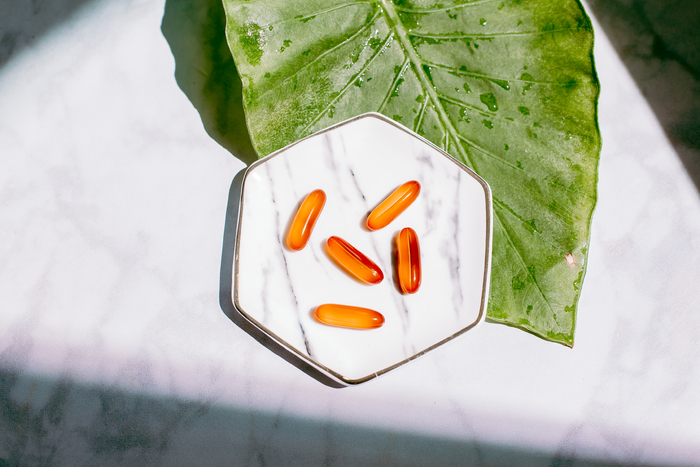
Omega-3 fatty acids (2g combined EPA/DHA daily from IFOS-certified fish oil)
Omega-3s are an important component of natural IVF prep as they support prostaglandin balance toward vasodilatory, anti-inflammatory pathways; improve uterine and endometrial blood flow; support endometrial NK cell regulation; and provide DHA for early embryo neurological development. Take with food to minimize the fishy aftertaste. Enteric-coated capsules solve this if it’s an issue.
Methylated B-complex (B6 as P5P, B12 as methylcobalamin, B9 as 5-MTHF)
Methylated B vitamins support methylation – required for DNA synthesis in rapidly dividing cells, including developing oocytes and early embryos – and reduce homocysteine where elevated. They are particularly important in natural IVF prep for women with elevated homocysteine, MTHFR variants, or a history of long-term oral contraceptive use (which depletes B6, B12, and folate).
Magnesium glycinate (200–400 mg at bedtime)
Magnesium is a cofactor in over 300 enzymatic reactions, including steroidogenesis, insulin signalling, and progesterone synthesis. The glycinate form has superior bioavailability and a calming effect that supports sleep quality – particularly relevant as IVF preparation is inherently stressful.
WEEK 1–2: Begin Dietary Natural IVF Prep
Simultaneously with supplementation:
Eliminate: Sugar-sweetened beverages (immediate, complete), trans fats (check ingredient labels for “partially hydrogenated oil”), alcohol (minimize to zero or as close as possible), high-mercury fish (swordfish, shark, king mackerel, bigeye tuna).
Increase: Oily fish low in mercury (wild salmon, sardines, mackerel) to at least two to three servings per week; dark leafy greens daily; berries daily; full-fat dairy over low-fat dairy (if you tolerate dairy); olive oil as primary oil; nuts (walnuts, Brazil nuts, almonds) as daily snack; eggs (whole, including yolk – the yolk contains choline essential for embryo neural development).
Glycemic regulation: Replace refined carbohydrates with low-glycemic load alternatives at every meal. This single change reduces morning insulin spikes that drive androgen production and impair follicular development. Practical substitutions: eggs instead of toast and cereal for breakfast; and legumes or quinoa instead of white rice, potatoes or white pasta.
Hydration: 8-10 glasses of water daily. Follicular fluid is largely water; adequate hydration supports follicular development. Herbal teas (raspberry leaf, nettle, red clover in appropriate clinical context) contribute to hydration with additional micronutrient benefit.
WEEK 3–4: Add Targeted Interventions Based on Fertility Tests to Natural IVF Prep
Once baseline fertility labs are back, layer in targeted interventions to your natural IVF prep:
If DHEA-S is low or low-normal: Support the normal function of your adrenal glands through vitamins B5, B6, C, magnesium and zinc, and moderate cortisol, if it’s high.
If ferritin is below 30 mcg/L:
Iron bisglycinate 25-60 mg/day with vitamin C to enhance absorption. Retest ferritin at 8 weeks. The goal is ferritin above 50 mcg/L before the cycle – don’t leave this until the month before stimulation. It can take 2-3 months to improve.
If homocysteine is above 10 μmol/L:
Add betaine (trimethylglycine, 500–1000 mg/day) to the methylated B-complex already in the protocol. Retest homocysteine at 6–8 weeks to confirm response.
If thyroid antibodies are elevated:
Follow a gluten-free diet, and add selenium (200 mcg/day as selenomethionine). RCT evidence shows selenium supplementation significantly reduces anti-TPO antibody titers – one of the most impactful interventions available for thyroid autoimmunity, with direct downstream benefits for endometrial immune regulation.8 If anti-thyroglobulin levels are high, investigate sources of iodine, both oral intake and topical application from cosmetics, lotions, creams, deodorant, sunscreen, and makeup. Excess iodine can increase anti-thyroglobulin. Reduce iodine intake for 3 months and repeat anti-thyroglobulin. If TSH is above 2.5 mIU/L, this warrants referral to the family physician or endocrinologist for consideration of low-dose thyroid hormone before the cycle.
If insulin resistance is present:
Add myo-inositol 2g + D-chiro-inositol 50mg twice daily. This directly addresses insulin signalling in granulosa cells, improving FSH receptor sensitivity and oocyte quality, and reducing androgen excess that impairs follicular development in insulin-resistant women, with or without PCOS.9 Continue dietary glycemic regulation simultaneously.
For sperm DNA fragmentation above 15%:
Both partners begin antioxidant protocol: vitamin C 1000 mg/day, vitamin E 400 IU/day, zinc 15–30 mg/day, selenium 200 mcg/day, CoQ10 200–400 mg/day. Combined antioxidant therapy produces statistically significant reductions in DFI in RCTs.10 Ejaculation frequency of every 1–2 days in the weeks before retrieval reduces DFI by minimizing epididymal oxidative exposure time. Retest DFI at 3 months.
For uterine blood flow concerns or thin lining history:
Add vitamin E (mixed tocopherols, 400 IU/day) and L-arginine (6 g/day) – complementary nitric oxide-dependent mechanisms that improve radial artery perfusion of the endometrium. See the thin uterine lining page → for the mechanistic detail.
MONTHS 1–3: Lifestyle Protocol for Natural IVF Prep
Sleep: Melatonin and progesterone are both secreted during sleep; GnRH pulse frequency – which drives the entire reproductive hormone cascade – is modulated by circadian rhythm. Seven to nine hours of sleep per night is not optional in the natural IVF prep protocol. Disrupted sleep increases cortisol, suppresses GnRH, and reduces ovarian response. Magnesium glycinate at bedtime, consistent sleep-wake timing, and blue-light reduction after 9 pm are the practical levers.
Exercise: Moderate-intensity exercise improves insulin sensitivity, reduces cortisol, and supports mitochondrial biogenesis – all relevant to natural IVF prep. The appropriate dose is 30–45 minutes of moderate exercise (brisk walking, cycling, swimming, yoga, resistance training) five days per week. HIIT workouts improve insulin sensitivity and do not significantly raise cortisol. Chronic stressors are a greater concern.
Stress physiology: Elevated cortisol from chronic HPA axis activation suppresses GnRH pulsatility via CRH-mediated inhibition of the HPG axis, reducing LH amplitude, impairing follicular development, and lowering peak estradiol during stimulation.11 This is not a reason to tell patients to “relax” – it is a reason to actively support HPA axis regulation. Ashwagandha (KSM-66 extract, 300 mg twice daily) is the most evidence-supported adaptogenic herb for moderating cortisol, with RCT evidence for reduction of cortisol and perceived stress in chronically stressed adults.12 Avoid Ashwagandha during stimulation and after transfer; use during the preparation phase.
Environmental exposures: BPA, phthalates, organochlorine pesticides, and heavy metals are documented reproductive toxins that impair oocyte quality and sperm DNA integrity. Practical mitigation: switch to glass or stainless steel food storage, never heat food in plastic, reduce canned food consumption (avoid BPA-lined cans), choose low-mercury fish, and prioritize organic for high-pesticide produce categories – see the Dirty Dozen. This is not a reason for anxiety – it is a reason for practical substitution.
Alcohol: Zero during the natural IVF prep phase. Alcohol impairs hepatic estrogen clearance, reduces luteal phase progesterone, is directly toxic to developing oocytes, and impairs sperm DNA integrity through oxidative mechanisms. One glass of wine per week is unlikely to be catastrophic, but there is no evidence of a safe threshold for natural IVF prep.
MONTH 3: Pre-Stimulation Checklist for Natural IVF Prep
Approximately four weeks before stimulation begins, confirm:
Lab markers are moving in the right direction:
- 25-OH vitamin D at or approaching 100–150 nmol/L
- Ferritin above 50 mcg/L if previously deficient
- Homocysteine below 10 μmol/L if previously elevated
- TSH below 2.5 mIU/L – if not, escalate the physician conversation before stimulation begins
- Anti-TPO is trending down if selenium was initiated (retest at 10–12 weeks), anti-thyroglobulin is trending down if it was high
- Androgens are at optimal levels
Communication with your RE:
Inform your reproductive endocrinologist of everything you are taking. The treatment plan I provide at each visit is suitable for sharing with your clinic, if requested. Most Ontario fertility clinics are familiar with and supportive of naturopathic IVF prep; some have specific preferences or contraindications for particular supplements during stimulation.
Acupuncture:
If acupuncture is part of the plan, begin weekly sessions at least four weeks before stimulation. The evidence for acupuncture in IVF is strongest for peri-transfer sessions (day before and day of transfer), but cumulative sessions in the weeks before stimulation add benefit through improved uterine blood flow and HPA axis modulation.13 Weekly sessions through stimulation and then specific pre- and post-transfer sessions are the protocol with the most clinical support.
Review the supplement protocol for stimulation adjustment:
Some supplements require dose adjustment or pausing during active stimulation (see below). Go through the full protocol with your naturopathic doctor before stimulation begins – not the day it starts.
During Stimulation: What to Continue, Adjust, and Pause From Your Natural IVF Prep
This is the section on which most people have never received clear guidance.
Continue Through Stimulation
Continue:
- Prenatal multivitamin with 5-MTHF or just L-5MTHF
- Vitamin D3
- Omega-3 fatty acids (EPA/DHA)
- Magnesium glycinate
- Methylated B-complex
- Selenium (if taking for thyroid antibodies)
- CoQ10 (ubiquinol) – continue through stimulation at the same dose; evidence supports its use throughout the follicular development period
- Vitamin E at food-level doses (up to 400 IU) – continue; higher doses (above 600 IU) warrant discussion
Pause or Adjust These Supplements From Your Natural IVF Prep During Stimulation
High-dose vitamin C (above 1,000 mg/day): There is a theoretical concern that very high antioxidant doses during the final stages of follicular maturation may interfere with the controlled oxidative signalling required for follicle rupture (LH surge → ovulation mechanism involves reactive oxygen species). The clinical evidence for this concern is limited, but the theoretical mechanism exists. Reduce to 500 mg/day or pause entirely during stimulation; resume after retrieval.
High-dose NAC (above 600 mg/day): Same rationale as vitamin C. Reduce to 600 mg once daily or pause during stimulation.
Melatonin timing: Melatonin at high doses (above 3 mg) during the late follicular phase warrants discussion. Some protocols continue melatonin during stimulation at 1–3 mg; there is RCT evidence that melatonin use during IVF stimulation improves oocyte quality. Others pause it during stimulation and resume around transfer for endometrial support. Discuss with your naturopathic doctor based on your specific protocol.
Vitex agnus-castus: Pause immediately when stimulation begins. Vitex acts on the pituitary; it does not belong in an active stimulation cycle.
All herbal medicines: Pause at stimulation start unless specifically continued under your naturopathic doctor’s guidance and with your RE’s knowledge.
Ashwagandha: Pause during stimulation.
Inositol: Most practitioners continue this through stimulation in PCOS patients, where the evidence for IVF benefit is specifically established. Discuss with your naturopathic doctor.
Berberine: Stop before stimulation begins. Insufficient safety data in the context of an active IVF cycle.
After Egg Retrieval
Resume full antioxidant protocol from your natural IVF Prep (vitamin C, NAC) the day after retrieval. The oxidative stress concern about follicle rupture no longer applies.
Begin or intensify endometrial preparation supplements if you are heading toward a fresh transfer:
- L-arginine and vitamin E for uterine blood flow (if indicated)
- Vitamin D (continue)
- Omega-3 fatty acids (continue)
If proceeding to a frozen embryo transfer (FET) cycle:
Frozen Embryo Transfer (FET) Preparation
If embryos have been biopsied and frozen – either after PGT-A testing or as a planned freeze-all – you have an additional preparation window between retrieval and transfer. Use it.
Minimum FET preparation: 6-8 weeks. Longer is better.
Primary target: endometrial receptivity.
The uterus – unlike egg quality – is largely age-independent. Endometrial receptivity is the variable optimized in FET preparation and is fully modifiable through naturopathic intervention.
Continue: Prenatal multivitamin (or 5-MTHF), vitamin D, omega-3 fatty acids, methylated B-complex, magnesium glycinate, selenium.
Add or intensify:
- Vitamin E (mixed tocopherols, 400 IU/day) – uterine blood flow
- L-arginine (6 g/day) – uterine blood flow, complementary mechanism to vitamin E
- Low-dose aspirin (81 mg/day) – uterine artery vasodilation, endometrial perfusion; discuss with prescribing physician
- CoQ10 (continue) – mitochondrial support in endometrial stromal cells
Immune modulation:
If prior transfers have failed with good-quality embryos and if thyroid antibodies are elevated, selenium should be continued and the anti-inflammatory dietary protocol maintained. In women with elevated inflammatory markers, omega-3 doses can be increased to 3g EPA/DHA daily.
Acupuncture for FET:
The most evidence-supported acupuncture protocol in IVF involves sessions on the day before and the day of embryo transfer.13 Weekly sessions in the weeks leading to transfer provide additional cumulative benefit.
Progesterone support:
In natural FET cycles (where ovulation occurs naturally and triggers the luteal phase), luteal phase support may be appropriate. 7-day post-ovulation progesterone below 40 nmol/L indicates inadequate luteal function. Vitex agnus-castus is appropriate in the follicular phase of a natural FET cycle but should be paused at ovulation and not used during the luteal phase when progesterone supplementation is underway. Coordinate with your naturopathic doctor on the timing.
Stress protocol before transfer:
The peri-transfer period is acutely stressful for most people – and there is evidence that elevated sympathetic nervous system activity on transfer day is associated with reduced implantation rates, possibly through increased uterine contractility.14 Acupuncture on transfer day specifically addresses this. Magnesium glycinate in the days before transfer, adequate sleep, and a walk or gentle yoga the morning of transfer are practical support measures. Avoid intense exercise and high-stress work on the day of transfer.
After Transfer: The Two-Week Wait
The two-week wait (2WW) between transfer and beta-hCG test is the period people find most difficult to navigate. From a naturopathic standpoint:
Continue: Prenatal multivitamin or L-5MTHF, vitamin D, omega-3 fatty acids, methylated B-complex, magnesium glycinate, CoQ10.
Continue your fertility clinic’s protocol exactly.
Pause: High-dose antioxidants beyond what is in the prenatal multivitamin, herbal medicines, and NAC at therapeutic doses. The early embryo in the first week post-transfer is in a critical developmental window where a conservative supplement approach is appropriate.
Avoid: Intense exercise, alcohol, very hot baths or saunas, and anything that was contraindicated by your RE.
Gentle movement is appropriate: Walking, gentle yoga, and normal daily activity are fine. Bed rest after transfer is not supported by evidence and is not recommended by current fertility practice guidelines.
Home pregnancy tests during the 2WW: A personal decision. Testing before day 9–10 post-transfer produces unreliable results and can cause significant anxiety from false negatives. If you choose to test at home, use the same brand consistently and do not adjust your supplement or medication protocol based on home test results – wait for the beta-hCG test from your MD.
If the Cycle Is Unsuccessful
A failed cycle is devastating. It is also clinically informative.
The minimum naturopathic preparation window before the next cycle is three months of natural IVF prep – not to delay but to use the time productively; to invest in a better outcome.
Between cycles, the priority investigations are:
- What specifically failed? Poor ovarian response, poor fertilization, poor embryo development, failed implantation with good embryos, and miscarriage of a transferred pregnancy each suggest different underlying causes and require different workup.
- Has everything that could have been tested before the first cycle now been tested? Anti-phospholipid antibodies, sperm DNA fragmentation, ERA (endometrial receptivity analysis), chronic endometritis biopsy – these are the investigations most commonly deferred until after a failure.
- Is the supplement protocol producing measurable changes in the relevant markers? Retest vitamin D, ferritin, homocysteine, thyroid antibodies, and sperm DFI (if elevated) before the next cycle to confirm the biology is moving in the right direction.
Repeating the same cycle with the same preparation – or no preparation – without investigating why it failed reduces the probability of a different outcome. The preparation window between cycles is the most clinically leveraged time available.
Frequently Asked Questions
Can I start this natural IVF prep if my IVF cycle is already scheduled in 6 weeks?
Yes. A shorter preparation window provides less complete optimization than three months but is meaningfully better than none. Prioritize the interventions with the fastest biological impact: vitamin D correction, ferritin repletion if deficient, CoQ10, methylated prenatal, omega-3s, and dietary changes. Flag everything to your naturopathic doctor immediately so the natural IVF prep can be structured around your timeline.
Do I need to tell my fertility clinic what I’m taking?
Yes, always. Transparency with your reproductive endocrinologist is clinically essential. Your naturopathic IVF prep treatment plan notes can be shared with your clinic. Most Ontario fertility clinics are familiar with natural IVF prep and are supportive of evidence-based supplementation; some have specific preferences or contraindications that should be incorporated into the protocol.
My clinic told me I only need a prenatal vitamin. Is the rest of this necessary?
The standard advice to “just take a prenatal” reflects the minimum baseline recommendation, not an individualized optimization protocol. A standard prenatal multivitamin will not correct significant vitamin D deficiency, will not address CoQ10 depletion relevant to mitochondrial function in aging oocytes, will not correct insulin resistance, and typically contains folic acid rather than 5-MTHF. The additional interventions are targeted at specific mechanisms, supported by specific evidence.
Should my partner follow a natural IVF prep protocol too?
Yes. Sperm DNA fragmentation contributes to fertilization failure, early embryo arrest, and miscarriage independently of sperm count, motility, and morphology. The three-month antioxidant protocol for male partners – CoQ10, vitamin C, vitamin E, zinc, selenium – is as evidence-supported as the female protocol and is frequently overlooked. Both partners’ biology determines embryo quality.
What about supplements I’m already taking that aren’t on this list?
Bring your complete current supplement list to your first appointment. Some supplements that are commonly taken are not appropriate during natural IVF prep – certain herbal medicines, high-dose vitamin A (retinol form, above 5,000 IU/day), very high-dose iodine, and anything with estrogenic or anti-estrogenic activity requires review in the context of an IVF cycle.
Can I do this natural IVF prep protocol alongside IVF at another clinic if I’m not in Toronto?
Yes. Virtual appointments are available for patients anywhere in Ontario. I can review your clinic’s stimulation protocol, coordinate the timing of any supplement adjustments with your cycle dates, and provide cycle-specific guidance without requiring in-person visits.
Natural IVF Prep Protocol Research References
- Dumollard R, Carroll J, Duchen MR, Campbell K, Swann K. Mitochondrial function and redox state in mammalian embryos. Semin Cell Dev Biol. 2009 May;20(3):346-53. doi: 10.1016/j.semcdb.2008.12.013. PMID: 19530278.
- Busnelli A, Paffoni A, Fedele L, Somigliana E. The impact of thyroid autoimmunity on IVF/ICSI outcome: a systematic review and meta-analysis. Hum Reprod Update. 2016 Nov;22(6):775-790. doi: 10.1093/humupd/dmw019. Epub 2016 Jun 20. Erratum in: Hum Reprod Update. 2016 Nov;22(6):793-794. doi: 10.1093/humupd/dmw034. PMID: 27323769.
- Chen Y, Zhi X. Roles of Vitamin D in Reproductive Systems and Assisted Reproductive Technology. Endocrinology. 2020 Apr 1;161(4):bqaa023. doi: 10.1210/endocr/bqaa023. PMID: 32067036.
- Alahmar AT, Singh R, Palani A. Sperm DNA Fragmentation in Reproductive Medicine: A Review. J Hum Reprod Sci. 2022 Jul-Sep;15(3):206-218. doi: 10.4103/jhrs.jhrs_82_22. Epub 2022 Sep 30. PMID: 36341018; PMCID: PMC9635374.
- Xu Y, Nisenblat V, Lu C, Li R, Qiao J, Zhen X, Wang S. Pretreatment with coenzyme Q10 improves ovarian response and embryo quality in low-prognosis young women with decreased ovarian reserve: a randomized controlled trial. Reprod Biol Endocrinol. 2018 Mar 27;16(1):29. doi: 10.1186/s12958-018-0343-0. PMID: 29587861; PMCID: PMC5870379.
- Tamura H, Nakamura Y, Korkmaz A, Manchester LC, Tan DX, Sugino N, Reiter RJ. Melatonin and the ovary: physiological and pathophysiological implications. Fertil Steril. 2009 Jul;92(1):328-43. doi: 10.1016/j.fertnstert.2008.05.016. Epub 2008 Sep 18. PMID: 18804205.
- Nagels HE, Rishworth JR, Siristatidis CS, Kroon B. Androgens (dehydroepiandrosterone or testosterone) for women undergoing assisted reproduction. Cochrane Database Syst Rev. 2015 Nov 26;2015(11):CD009749. doi: 10.1002/14651858.CD009749.pub2. Update in: Cochrane Database Syst Rev. 2024 Jun 5;6:CD009749. doi: 10.1002/14651858.CD009749.pub3. PMID: 26608695; PMCID: PMC10559340.
- Ventura M, Melo M, Carrilho F. Selenium and Thyroid Disease: From Pathophysiology to Treatment. Int J Endocrinol. 2017;2017:1297658. doi: 10.1155/2017/1297658. Epub 2017 Jan 31. PMID: 28255299; PMCID: PMC5307254.
- Kamenov Z, Gateva A. Inositols in PCOS. Molecules. 2020 Nov 27;25(23):5566. doi: 10.3390/molecules25235566. PMID: 33260918; PMCID: PMC7729761.
- Majzoub A, Agarwal A. Systematic review of antioxidant types and doses in male infertility: Benefits on semen parameters, advanced sperm function, assisted reproduction and live-birth rate. Arab J Urol. 2018 Jan 2;16(1):113-124. doi: 10.1016/j.aju.2017.11.013. PMID: 29713542; PMCID: PMC5922223.
- Matthiesen SM, Frederiksen Y, Ingerslev HJ, Zachariae R. Stress, distress and outcome of assisted reproductive technology (ART): a meta-analysis. Hum Reprod. 2011 Oct;26(10):2763-76. doi: 10.1093/humrep/der246. Epub 2011 Aug 1. PMID: 21807816.
- Chandrasekhar K, Kapoor J, Anishetty S. A prospective, randomized double-blind, placebo-controlled study of safety and efficacy of a high-concentration full-spectrum extract of ashwagandha root in reducing stress and anxiety in adults. Indian J Psychol Med. 2012 Jul;34(3):255-62. doi: 10.4103/0253-7176.106022. PMID: 23439798; PMCID: PMC3573577.
- Smith CA, Armour M, Shewamene Z, Tan HY, Norman RJ, Johnson NP. Acupuncture performed around the time of embryo transfer: a systematic review and meta-analysis. Reprod Biomed Online. 2019 Mar;38(3):364-379. doi: 10.1016/j.rbmo.2018.12.038. Epub 2019 Jan 2. PMID: 30658892.
- Lan VT, Khang VN, Nhu GH, Tuong HM. Atosiban improves implantation and pregnancy rates in patients with repeated implantation failure. Reprod Biomed Online. 2012 Sep;25(3):254-60. doi: 10.1016/j.rbmo.2012.05.014. Epub 2012 Jun 16. PMID: 22818095.
