Best Fertility Herbs
Do fertility herbs work?
When used properly, appropriate herbs work extremely well to balance hormones, regulate menstrual cycles, enhance ovulation, and facilitate conception. Self-medicating with herbs rarely works! Why? The proper herb must be used in the proper format (tincture, tablets), at the proper time in your menstrual cycle, and at the proper dosage. Getting this right is not a DIY project. In my experience, most powdered or capsule herbs at your local health food store have little to no effect. I recommend only ONE premium manufacturer of herbal tablets, and for most herbs, I recommend using a tincture.
Top 5 Fertility Herbs
Here are my top 5 fertility herbs to enhance female fertility. Should you put yourself on them? No. In my opinion, it is well worth the cost of getting professional advice, backed up by years of experience. What works on someone’s blog or on paper doesn’t always work in the real world or may not be right for you. Herbs can cause unwanted side effects or be ineffective if not used appropriately. One other aspect of herbs to note is that they are forcing a temporary change in your hormones or fertility. Often other measures like diet, vitamins, minerals and lifestyle will address the root cause. Herbs can be used as a supportive measure while implementing these root cause strategies.
- Shatavari – Shatavari is one of my favourite herbs for nourishing the female reproductive organs. It is an Ayurvedic herb long used as a tonic for the uterus and ovaries. The name translates to “wife of a hundred husbands”.
- Black cohosh – Black cohosh is also called Cimicifuga racemosa. It has a number of studies supporting its use along with fertility drugs like Clomid to enhance ovulation and increase pregnancy rates.
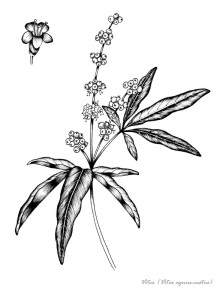
- Chastetree berry – Chaste tree or Vitex helps fertility in two ways. One is that it can improve progesterone production. Healthy progesterone levels are vital to implantation of the fertilized embryo. Surprisingly, even at fertility clinics, peak progesterone levels are usually not measured. This 7-day post-ovulation progesterone value is critical for conception and maintaining the pregnancy. Another fertility-enhancing effect of Chastetree is that it lowers prolactin levels when they are too high.
- Peony – Peonia enhances estrogen production if it is low.
- Schisandra – another of my favourite herbs for nourishing the uterus and ovaries. It is considered to be an adaptogen as well, so it mitigates the effects of stress and supports healthy adrenal gland function.
Medically Reviewed by Dr. Pamela Frank
Sample Research on Fertility Herbs
- Chinese herbs increase endometrial thickness, improve the quality of fertility and embryo, and promote embryonic nidation, thus enhancing the success rate of in vitro fertilization/intracytoplasmic sperm injection-embryo transplantation cycle: Guo J, Li D, Liu C, Ji X, Li R, Du X.Effects of Chinese herbs combined with in vitro fertilization and embryo transplantation on infertility: a clinical randomized controlled trial. J Tradit Chin Med. 2014 Jun;34(3):267-73.
- A constituent of Cinnamomum cassia increases progesterone and lowers testosterone and DHEAs: Iwaoka Y, Hashimoto R, Koizumi H, Yu J, Okabe T. Selective stimulation by cinnamaldehyde of progesterone secretion in human adrenal cells. Life Sci. 2010 Jun 5;86(23-24):894-8. doi: 10.1016/j.lfs.2010.04.009. Epub 2010 Apr 25.
- A supplement containing chasteberry, green tea, L-arginine, vitamins (including folate) and minerals could provide an alternative or adjunct to conventional fertility therapies: Westphal LM, Polan ML, Trant AS.Double-blind, placebo-controlled study of Fertilityblend: a nutritional supplement for improving fertility in women. Clin Exp Obstet Gynecol. 2006;33(4):205-8.
- Adding Cimicifuga racemosa to clomiphene-induction cycles with timed intercourse in PCOS improves pregnancy rates: Shahin AY, Mohammed SA. Adding the phytoestrogen Cimicifugae Racemosae to clomiphene induction cycles with timed intercourse in polycystic ovary syndrome improves cycle outcomes and pregnancy rates – a randomized trial. Gynecol Endocrinol. 2014 Jul;30(7):505-10. doi: 10.3109/09513590.2014.895983. Epub 2014 Mar 5.